Myanmar
Myanmar
- Capital
- Naypyidaw
- Population
- 54,409,794
- Region
- Asia
- Languages
- Burmese
Myanmar is one of the few countries in the world that continues to use its own system of measurement alongside the metric and imperial systems. The traditional unit known as the peiktha, or viss, is commonly used in markets to measure the weight of commodities like vegetables and fish. This unique system has deep cultural roots and remained the primary standard of trade long after colonial influence introduced global norms. Most travelers find the transition to 'viss' a fascinating glimpse into the country's refusal to fully abandon its historical commercial identity.
Currency
The official currency is the Kyat, identified by the ISO code MMK. In a unique historical event during the late 1980s, the government issued banknotes in unusual denominations like 45 and 90 kyat because they were considered lucky numbers by the country's leadership at the time.
Flag symbolism
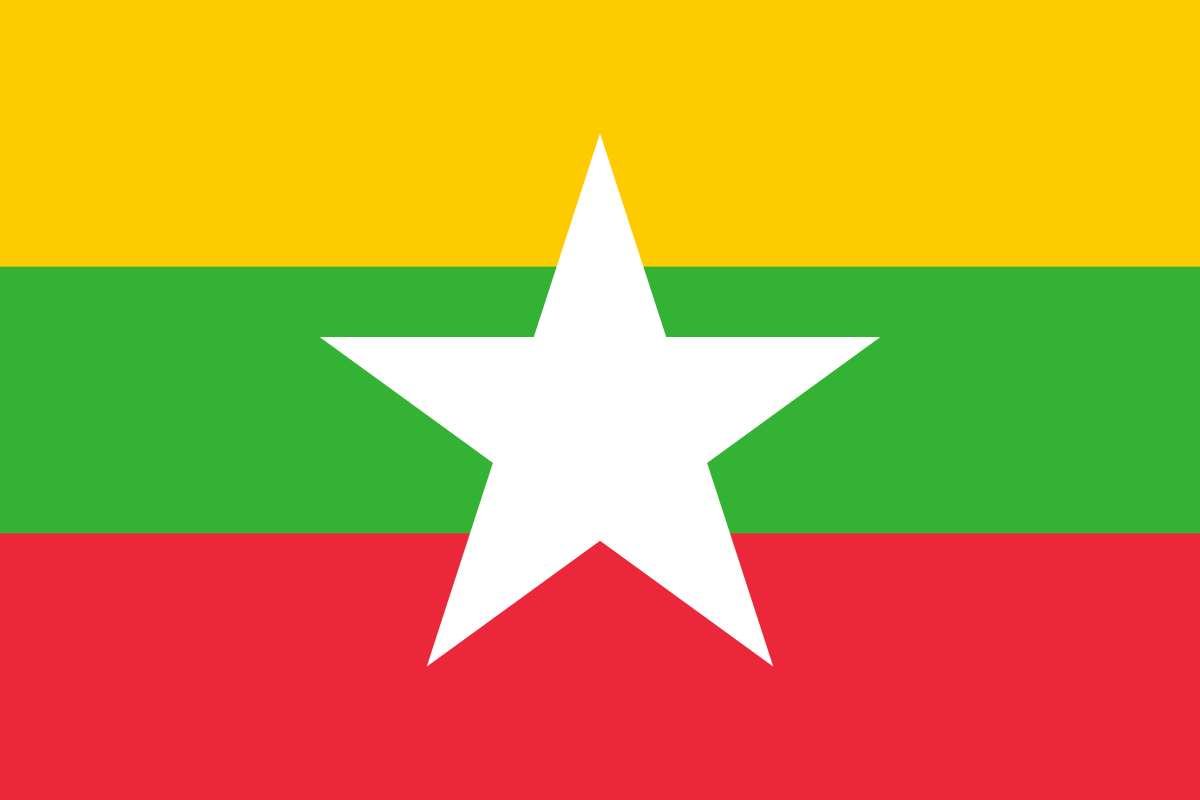
The current national flag consists of three equal horizontal stripes of yellow, green, and red with a large white five-pointed star in the center. The yellow stripe signifies solidarity and the enduring unity of the nation's people across various ethnic groups. Green represents the country's lush landscapes, peace, and natural tranquility, while red stands for courage, decisiveness, and bravery. The central white star symbolizes the importance of the union and the purity of the state's goals in modern governance.
Emblem history
The state seal of Myanmar features two stylised lions, known as Chinthe, facing away from each other to represent protection and strength. At the center is a map of the nation framed by traditional floral patterns and ears of rice, which highlight the country's agricultural heritage. This design was adopted in 2008 and reflects a move away from the socialist-style industrial cogwheel used in previous versions. The emblem is topped by a five-pointed star, mirroring the national flag's theme of unified independence.